History
18/08/2026Electricity and Energy in Karimunjawa
From nights lit only by kerosene lamps to 24-hour electricity and solar power, Karimunjawa’s electrification journey shows how access to energy has gradually transformed island life, tourism, and its future.
For tourists visiting Karimunjawa today, having electricity available 24 hours a day may seem completely normal. But for residents who have lived in the islands for a long time, this is a relatively recent development, achieved less than a decade ago. Before 2016, nights in Karimunjawa were synonymous with darkness. Lighting relied on kerosene pressure lamps or candles, while electricity from village generators was available for only about six hours each night, from 6 p.m. until midnight. Occasionally, it could operate for up to twelve hours, but this was rare.
Legon Bajak Diesel Power Plant
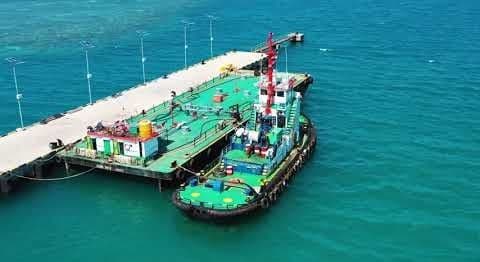
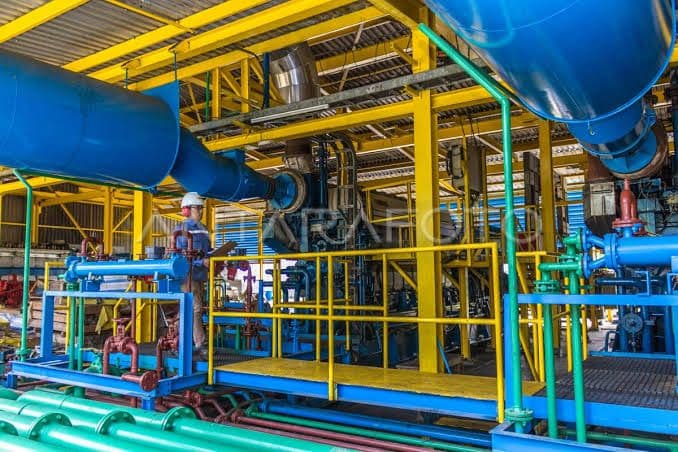
A major change began in late 2015, when the Jepara Regency Government signed an agreement with PT Indonesia Power, a subsidiary of PLN, to transfer the management of electricity in Karimunjawa. On May 30, 2016, the Legon Bajak Diesel Power Plant (PLTD) officially began operations. It was inaugurated by the Governor of Central Java at the time, Ganjar Pranowo.
With a capacity of 2 × 2.2 megawatts, the power plant became the backbone of electricity supply for Karimunjawa and Kemujan Islands. The plant consumes around 4,000 liters of diesel fuel every day, stored in a 500-kiloliter storage tank. Its construction was not without difficulties. The project faced delays due to the availability of major components, eventually requiring the developer to relocate the generating units from Pontianak.
The impact was felt quickly. In less than a year, the number of PLN customers in Karimunjawa exceeded 2,000, consisting of approximately 1,855 households and 86 businesses, with a total connected capacity of 3,279 kVA supplied through a 45-kilometer network. Electricity prices also decreased compared with the previous period, when the power system was still managed by the local government and residents had to pay Rp2,500 per kWh. Electricity sales growth in Karimunjawa even reached 9%, exceeding the national electricity growth average of 6.5%.
Clean Energy for the Small Islands
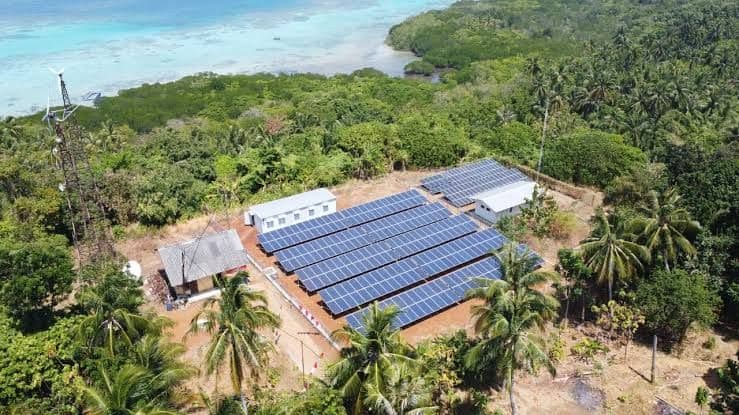
The story of electricity in Karimunjawa does not end on the main island. Three smaller islands in the archipelago Parang, Genting, and Nyamuk have their own story. Previously, these three islands relied on a combination of small solar power plants, diesel power plants, and generators managed by the Jepara Regency Government, with electricity available for no more than 12 hours a day.
A turning point came in 2022, when PLN received the management of the solar and diesel power plants on the three islands through a handover from the Jepara Regency Government. Since then, PLN has increased generating capacity and improved operations. As a result, the three islands now enjoy 24-hour electricity supplied by solar power plants (PLTS) with a capacity of 182 kWp. This transition has made Karimunjawa one example of the application of renewable energy in Indonesia's remote island regions.
Electricity as a Pillar of Tourism
For Karimunjawa, whose economy depends heavily on tourism, reliable electricity is not merely a matter of convenience. It is essential to the sustainability of local businesses. Tourist arrival data continues to show an upward trend: throughout 2024, more than 77,000 domestic tourists and around 7,800 international tourists visited Karimunjawa. From January to May 2025 alone, the number of visitors had already exceeded 39,000. During the school holiday period that same year, visitor numbers increased by approximately 20.4% compared with the regular period.
To deal with these surges, PLN, through the Jepara Customer Service Unit (ULP) and its Karimunjawa Subunit, routinely deploys personnel around the clock, especially ahead of holiday seasons such as Eid al-Fitr. Network inspections, preventive maintenance, and checks of supporting equipment are carried out regularly to anticipate potential disruptions. Residents and business owners experiencing electricity problems can report them through the PLN Mobile application, which operates around the clock.
Looking Ahead at Karimunjawa's Energy Future
The development of electricity in Karimunjawa from village generators operating for only six hours a day to a stable 24-hour PLN network and the beginning of a transition toward solar energy reflects the unique challenges faced by island communities: how to provide reliable, affordable, and sustainable energy in places geographically separated from Java's main electricity grid.
The success of supplying electricity to smaller islands such as Parang, Genting, and Nyamuk through solar power demonstrates a possible direction for the future. Similar approaches may increasingly be adopted in other remote areas of Indonesia, not only to support tourism and local economic activity, but also to reduce dependence on fossil fuels in isolated regions.
Sources
This article was compiled using various sources documenting the development of electricity and energy in Karimunjawa.
- Antara News Jateng. (2024, August 8). PLN sukses terangi pulau di Karimunjawa dengan energi terbarukan.
- Antara News Yogyakarta. (2026, March 29). Dukung sektor pariwisata, PLN: Listrik stabil di Karimunjawa saat libur Idul Fitri 2026.
- Berlianmedia. (2022, November 9). Dinamika warga Karimunjawa kian gayeng listrik terang benderang.
- Bisnis.com. (2017, April 8). Listrik Karimunjawa, dulu dan kini.
- Hello Karimun. (n.d.). Januari, listrik Karimunjawa 18 jam/hari.
Related Stories
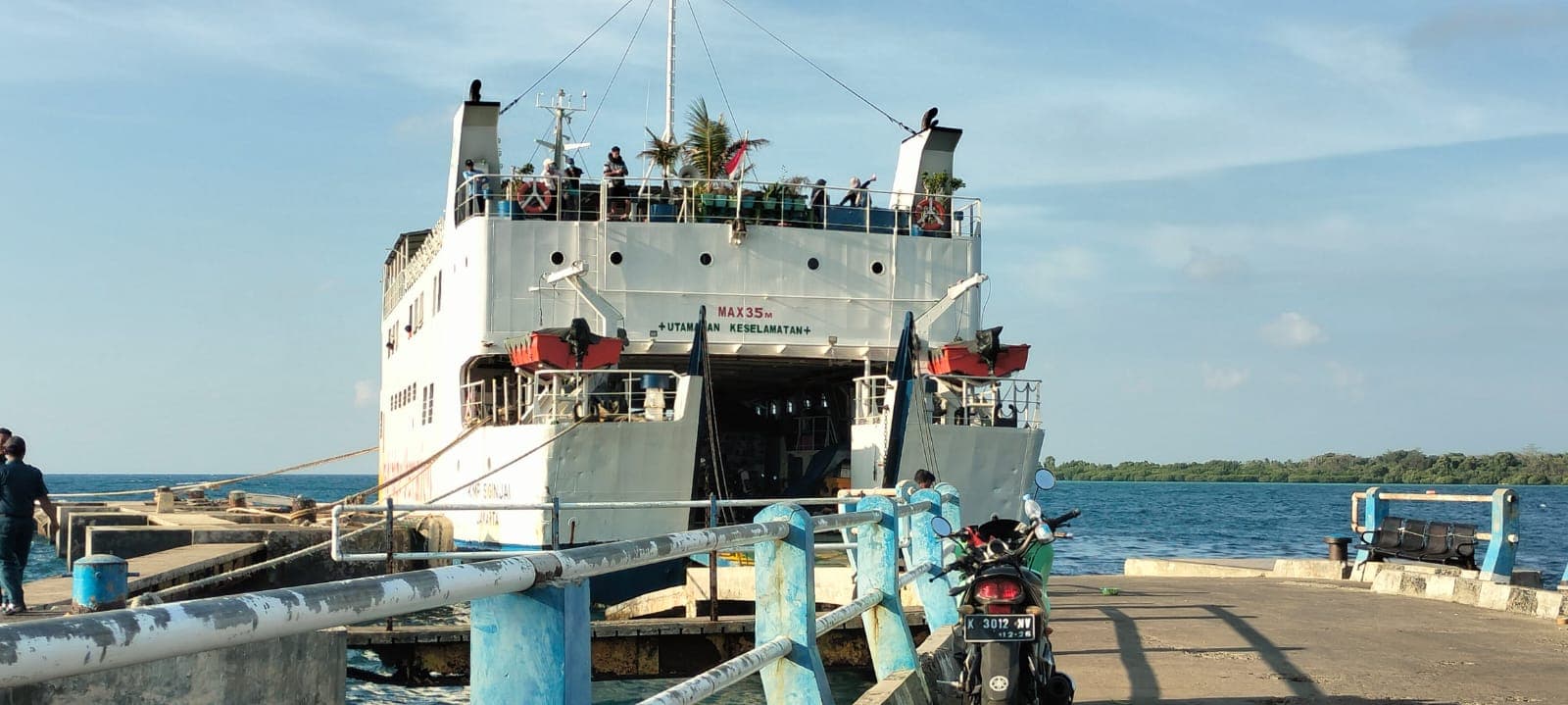
Ketika Siginjai Tak Berlayar: Ketergantungan Pasokan Pangan Karimunjawa
"Makan apa hari ini?" Mungkin pertanyaan itu terdengar sederhana bagi sebagian besar orang. Namun, selama pelaksanaan Kuliah Kerja Nyata (KKN) di Desa Karimunjawa, muncul pemahaman bahwa di wilayah kepulauan, ketersediaan pangan bukan hanya soal pilihan menu, tetapi juga berkaitan erat dengan akses, kondisi cuaca, dan distribusi.
Di Balik Deru Kapal Wisata: Potret Dinamika Tenaga Kerja di Karimunjawa
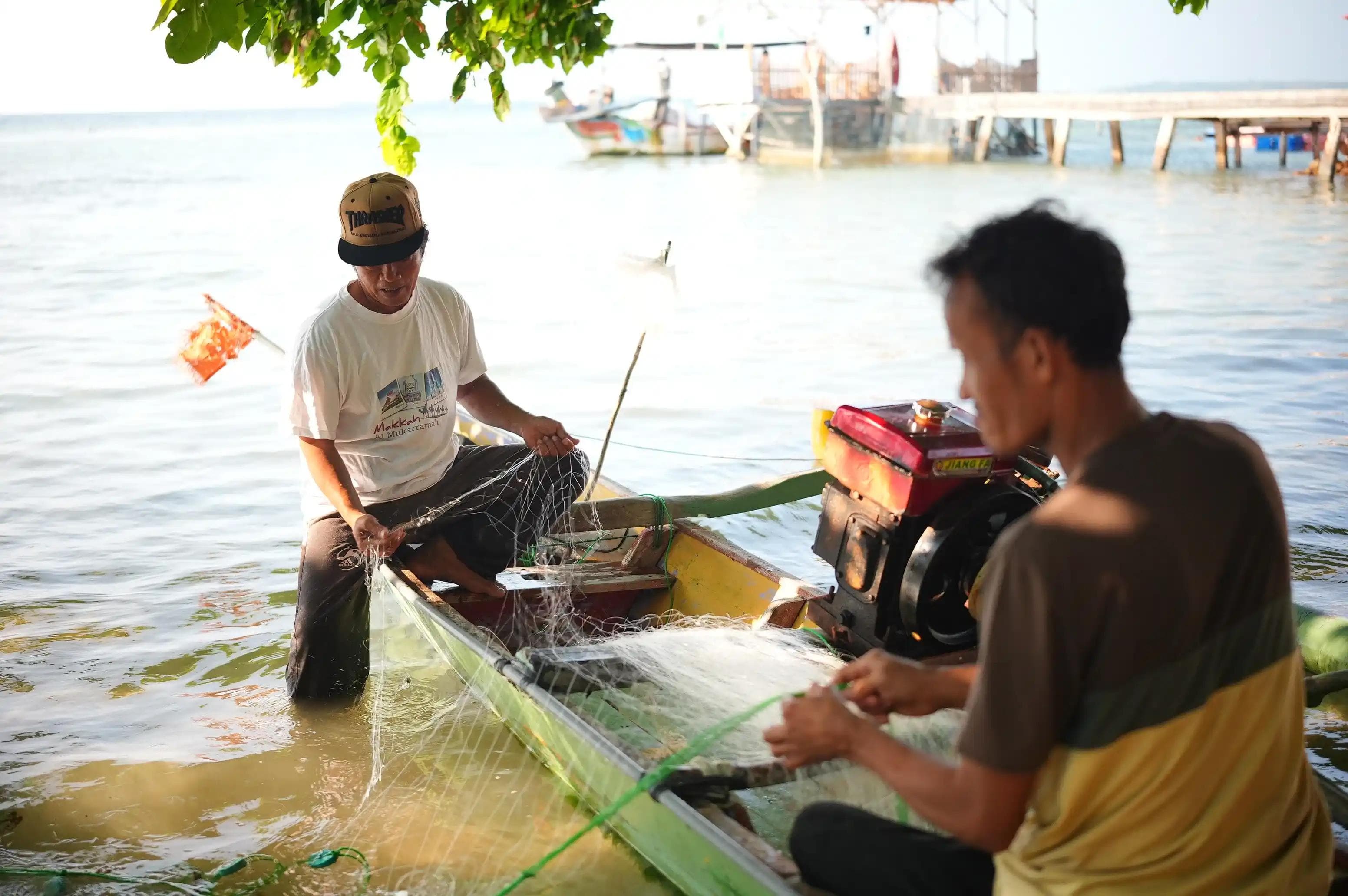
Di balik ramainya aktivitas wisata di Karimunjawa, masyarakat membangun berbagai strategi untuk mempertahankan penghidupan. Melalui observasi lapangan selama KKN-PPM UGM, artikel ini menggambarkan bagaimana sektor perikanan dan pariwisata membentuk dinamika ketenagakerjaan masyarakat kepulauan, mulai dari pekerjaan informal, pekerjaan ganda, hingga pentingnya pemetaan tenaga kerja untuk pembangunan yang lebih berkelanjutan.
Gandeng Masyarakat Hingga Perangkat, Mahasiswa KKN-PPM UGM Mengusung Aksi Kolaboratif Jaga Pesisir Karimunjawa
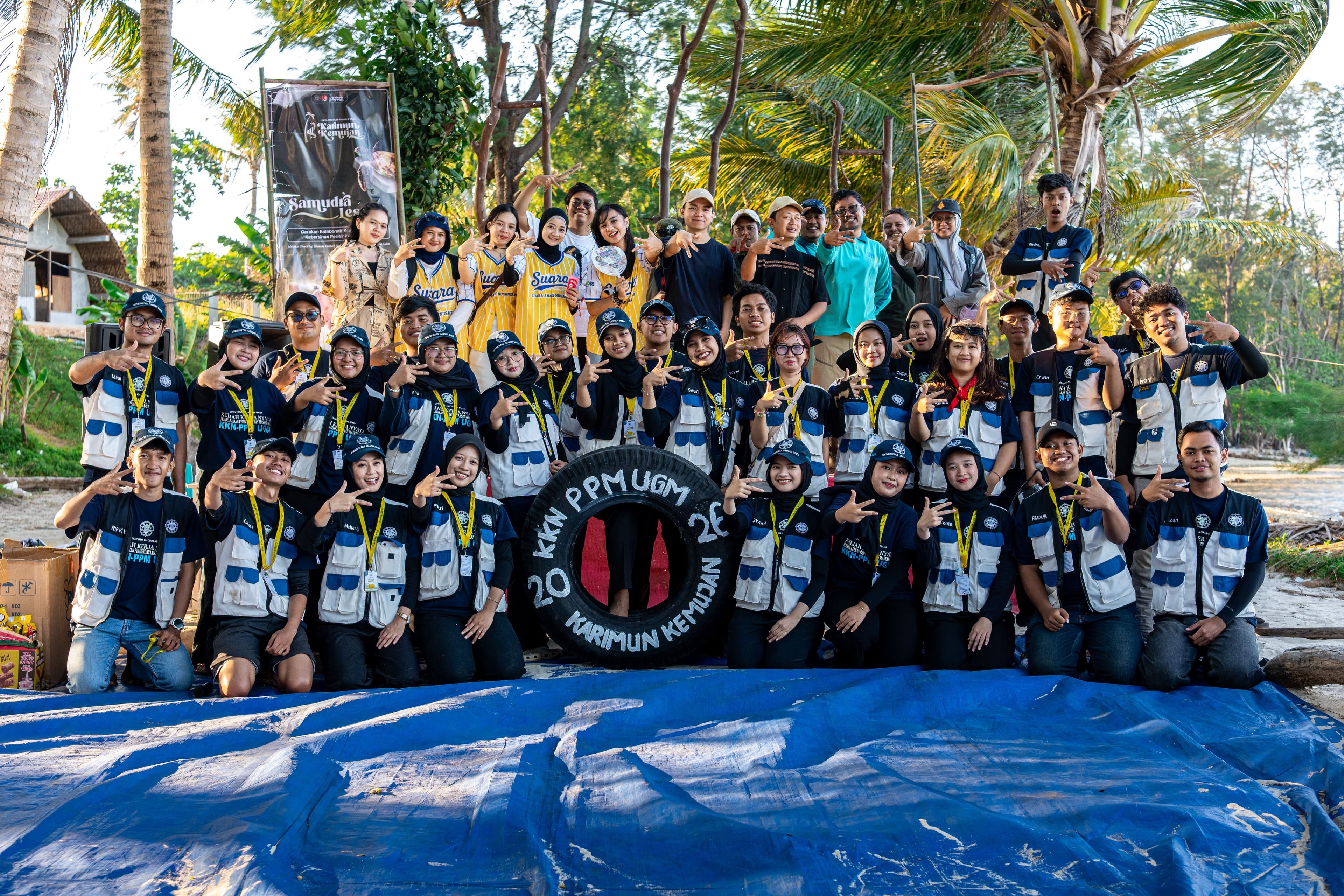
Sebanyak 100 kg sampah berhasil dikumpulkan, 106 mangrove ditanam, 42 tukik dilepasliarkan, dan 38 warga mengikuti pemeriksaan kesehatan dalam aksi "Samudra Lestari". Kegiatan yang diinisiasi KKN-PPM UGM ini menjadi bukti nyata kolaborasi lintas sektor untuk menjaga kelestarian pesisir Karimunjawa.